
Bristol has become the first British city to impose a ban on the advertising of fast fashion, in new restrictions that will also curb ads for SUVs and airlines.
The ban is part of moves by the West Country city, known for its radical political scene, to impose sweeping bans on advertising for polluting industries.
Restrictions have also been placed on advertising SUVs, airlines, cruises and fossil fuels on advertising sites owned by the Green-run council.
“We don’t want Bristol to be a billboard for polluters while we’re working hard to improve health, air quality and nature in the city,” said Heather Mack, Bristol city council’s deputy leader.
“We’re proud to be thinking holistically about the changes we need to keep Bristol green and thriving.”
Bristol council’s strategy and resources committee passed the new advertising and sponsorship policy by an eight to one vote on Monday. It updates a policy passed in 2021 which made Bristol the first council outside London to ban junk food ads.
The policy will apply to all council-owned advertising space, including billboards, bus stop shelters, print and online.
Bristol joins more than 20 UK councils that already have restrictions on ads for polluting products and services. But none has previously ibanned advertising for fast fashion products.
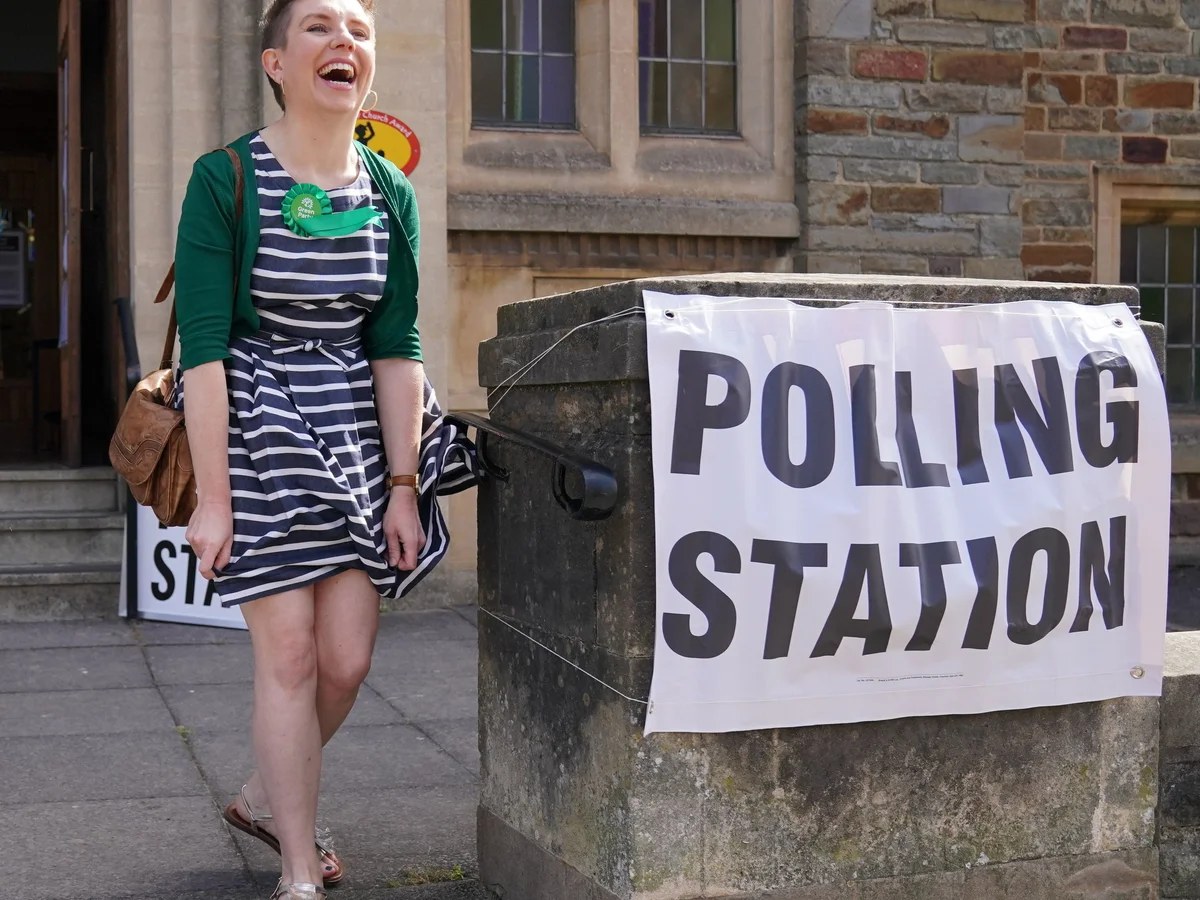
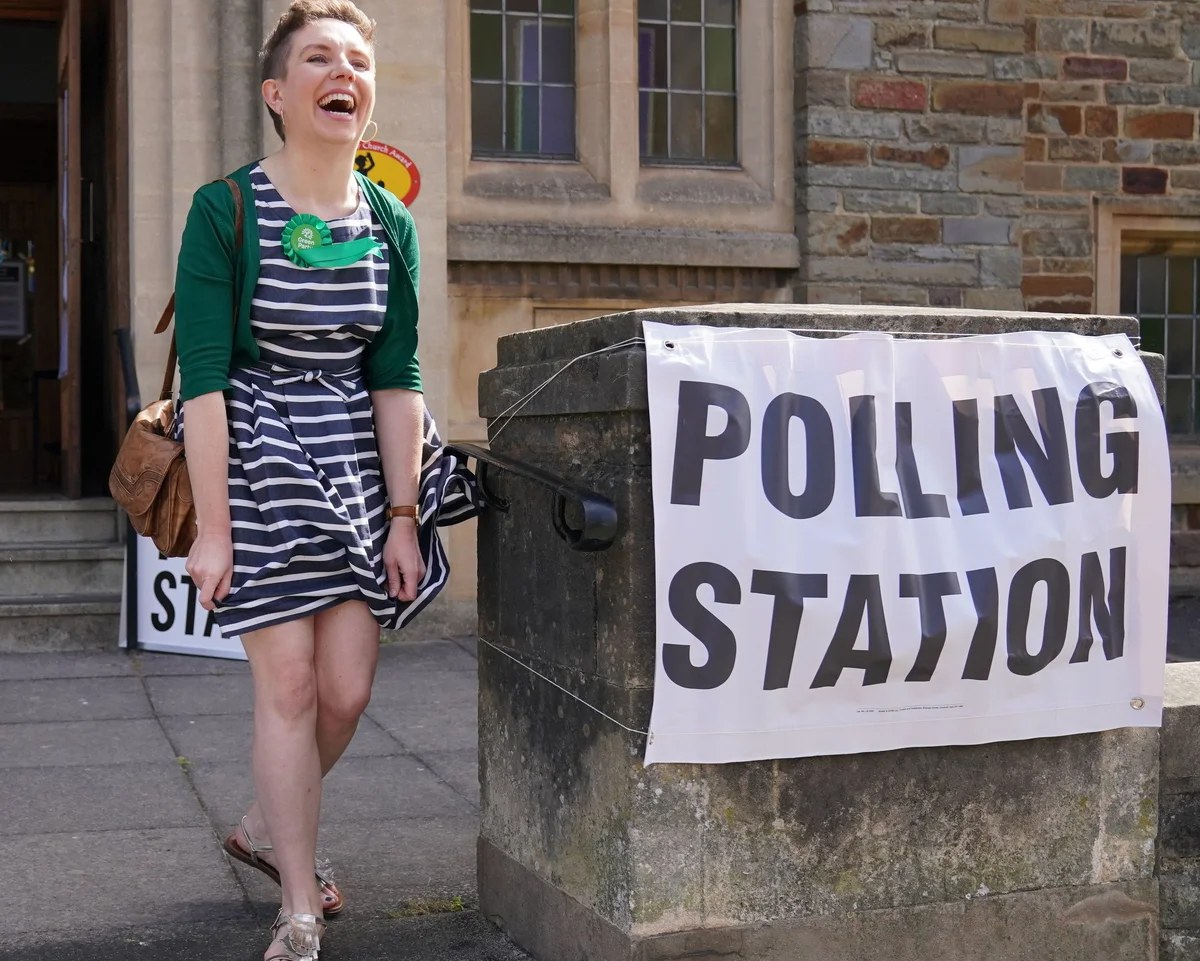
The change in policy reflects political trends in the city, which elected the Green party’s Carla Denyer as MP in 2024, the same year that voters made the Green party the largest party in the council chamber. In Bristol, 83% of residents are concerned about climate change, according to a recent council survey.
Denyer said: “I am so pleased that the council has now taken this much-needed next step and added high-carbon products and services to the list of things that will not be advertised on council-owned space.
“Our Green-led council is making huge strides on Bristol’s climate and sustainability commitments, working on public transport infrastructure, home heating and community energy.
“It makes no sense for these efforts to be running alongside advertisements for things like oil and gas companies, SUVs or fast fashion which do not align with our community values.”
Cardiff, Edinburgh, Portsmouth and Sheffield are among the cities that have imposed restrictions on climate-harming products.
The restrictions came after campaigning by Adfree Cities, a network of campaign groups, which is calling for local bans on climate-harming promotions to be made national.
The group has also lobbied London’s mayor, Sadiq Khan, to curb ads for fossil fuels and other polluting products on Transport for London, which has one of the largest advertising estates in the world.
Nicola Wilks, co-founder and co-director at Adfree Cities, said: “We know ad bans are a catalyst for healthy change. Removing tobacco ads saved lives by reducing levels of smoking.
“As a Bristol resident who cares deeply about climate change and air pollution, I am proud that Bristol has gone even further than other UK councils in curbing polluting ads; it feels like common sense.
“Now we need to scale up bold local action to national tobacco-style bans on polluter advertising, to break the toxic influence of polluting companies, and support meaningful action for climate and clean air.”