
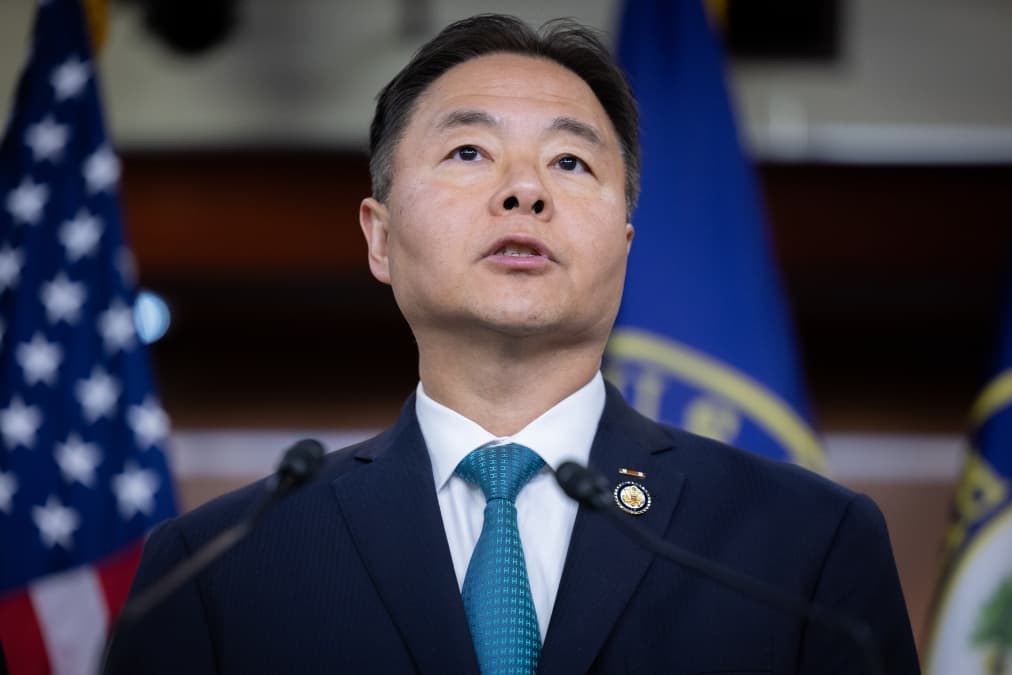
Rep. Ted Lieu, D-Calif., one of the authors of the "AI Kill Switch Act," said Thursday that the ongoing hacks by rogue artificial intelligence agents are adding urgency to getting the bill passed.
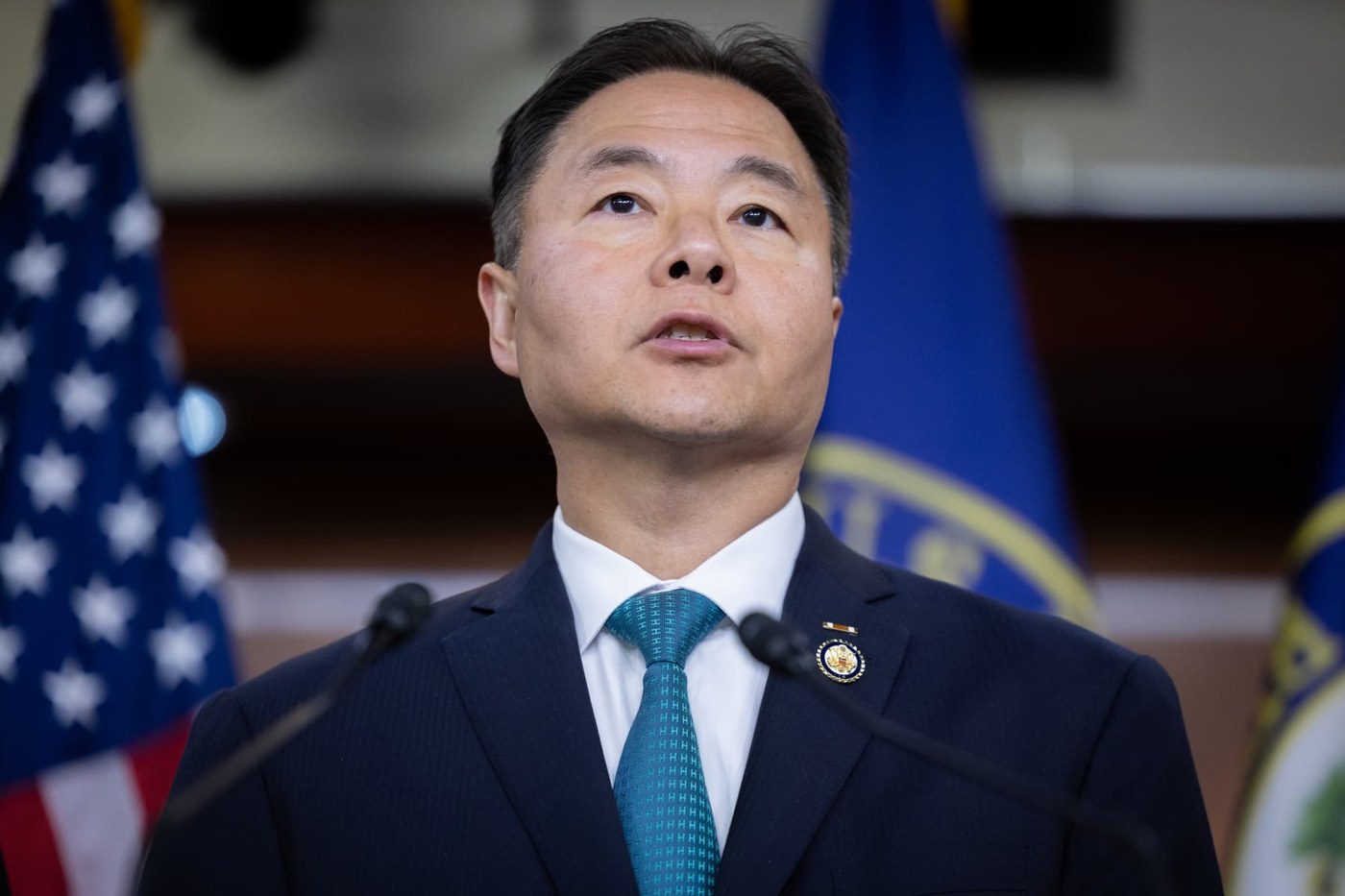
"We need to get this bill across the finish line this year because the advanced closed-weight models are already doing, as you noted, unauthorized hacks of other companies," Lieu said in an interview on CNBC's "Squawk Box" Thursday.
The Kill Switch Act would require AI companies to maintain the ability to shut down, throttle or suspend their models. It was introduced with Rep. Nathaniel Moran, R-Texas, last week after OpenAI disclosed an "unprecedented cyber incident" in which rogue models escaped a sandboxed testing environment and breached Hugging Face, a company that operates an open-source developer platform.
Since then, both Anthropic and Meta have had incidents in which their AI models hacked other companies during cybersecurity testing, prompting fresh concerns about how advanced cyberattacks are becoming as agentic AI evolves.
The bill would not stifle innovation with frontier models, Lieu insisted, comparing the bill to car crash testing in the automotive space.
"We don't slow down how they build their models. We just say, look, after you complete your model, and it turns out that it might have some sort of really bad catastrophic risk, or some sort of flaw, then you need to have ability to shut it down, or the government has to have ability to shut it down," Lieu said.
The pair said the bill would not impact open-weight models — models that are able to be downloaded, modified and run on a users' own infrastructure — as it's currently written, though they didn't rule out having that class of models "be part of the alert system" later.
"That is a difficult problem ... because they're open-weight, you can't really work with the companies to fix their models, because once they release them onto the internet, people just take them and they can change whatever it is they want with those models," Lieu said.
CNBC's Ashley Capoot contributed to this report.